
 Editorial Team
 Trump's Tensions with GOP Over Iran War: A Defining Moment | bibit168 slot, jadwal siaran bola langsung tv
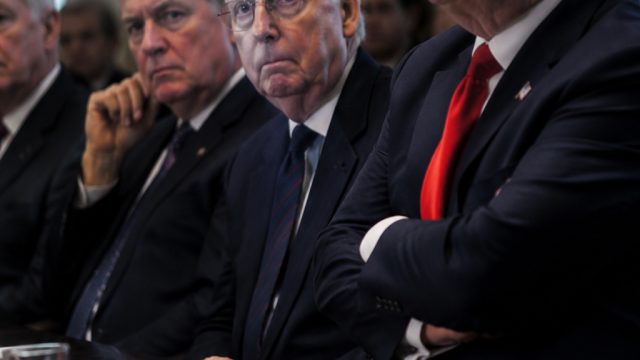
In a politically charged atmosphere, former President Donald Trump has openly criticized Senate Republicans following a contentious discussion surrounding military action against Iran. This meeting, which showcased the growing rifts within the GOP, holds significant implications for both party unity and U.S. foreign policy.
The Meeting: A Clash of Ideologies
During a lunch meeting with Republican senators, tensions escalated as Trump expressed his discontent over the Senate's stance on the Iran War vote. The former president's insistence on a more aggressive approach towards Iran has not resonated with all Senate Republicans, leading to a heated exchange that left many wondering about the future of GOP cohesion.
Key Points Raised by Trump
- Trump criticized senators for not supporting a stronger military intervention policy.
- He urged members to reconsider their positions on national security in light of growing threats.
- His combative style left some senators visibly uncomfortable, as indicated by interactions during the meeting.
Reactions from GOP Senators
Senators like Bill Cassidy faced direct remarks from Trump, culminating in the former president instructing him to "sit down" during the discussion. This moment encapsulated the disarray within the party as it grapples with diverse perspectives on foreign military engagements.
The Implications for GOP Unity
The confrontation has raised questions about the unity and direction of the Republican Party moving forward. With Trump still exerting considerable influence over the party base, Senate Republicans find themselves at a pivotal crossroads.
Internal Divisions Growing
As the dynamics within the GOP shift, several key areas of concern have emerged:
- Ideological Differences: The divide between traditional conservatives and the Trump-aligned faction appears to be widening.
- Electoral Consequences: Senators fear that alienating Trump's base could have detrimental effects on upcoming elections.
- Policy Direction: How the party approaches foreign policy is under scrutiny, particularly regarding military interventions.
What This Means for U.S. Foreign Policy
Trump’s confrontational approach not only highlights internal GOP issues but also reflects larger questions about U.S. foreign policy in volatile regions like the Middle East. With growing tensions globally, the Senate's stance on military action is more critical now than ever.
Potential Outcomes
- Increased Military Engagement: If Trump’s views gain traction, we might see a shift towards more aggressive military policies.
- Campaign Strategies: GOP senators may reevaluate their approaches to appealing to both traditional voters and Trump's base.
- Long-Term Fractures: The incident could signify deeper, more permanent splits within the party, affecting its electoral viability.
Conclusion: A Pivotal Moment for the GOP
The friction displayed in Trump's recent meeting with GOP senators serves as a stark reminder of the challenges facing the Republican Party. As internal conflicts simmer, the implications extend beyond party lines, touching on crucial foreign policy decisions that could shape the nation's future. The necessity for unity and a coherent strategy has never been more pressing, especially as the U.S. navigates complex global landscapes. In these times, how Senate Republicans respond to Trump's leadership will undoubtedly influence both their party's trajectory and the broader political climate.
2、 ,e.g. PleaseContact 。
Berasto Paid Articles » Trump's Tensions with GOP Over Iran War: A Defining Moment | bibit168 slot, jadwal siaran bola langsung tv



PostComments