
 Editorial Team
 Hantavirus Quarantine Lifted: Key Takeaways from the Recent Outbreak | casino evolution, situs slot online internasional, mpo99id link
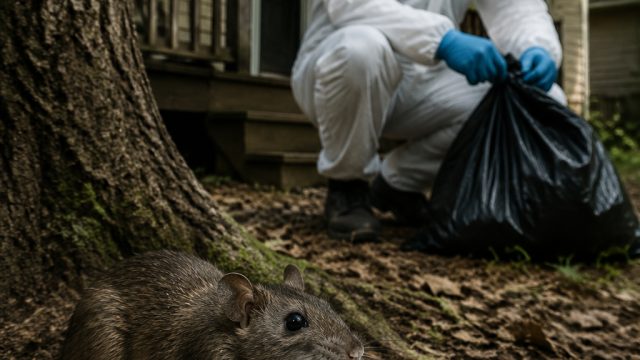
The recent decision by the U.S. Centers for Disease Control and Prevention (CDC) to lift the quarantine related to the hantavirus outbreak marks a significant turning point in public health responses. This development raises numerous questions regarding health safety protocols and what it reveals about managing such outbreaks in the future. As the outbreak risk diminishes, let's delve into the implications of this decision and the lessons learned.
The CDC's Decision to End the Quarantine
After a prolonged period of heightened anxiety, particularly among cruise passengers who were quarantined for six weeks, the CDC announced the cessation of its response to the hantavirus outbreak. While this may offer a sense of relief to many, it also highlights the complexities of public health measures in responding to infectious diseases.
Understanding Hantavirus
Hantavirus is a serious disease transmitted primarily through contact with rodent droppings, urine, or saliva. It can lead to Hantavirus Pulmonary Syndrome (HPS), a potentially fatal respiratory disease. While instances of hantavirus infections are rare, the recent outbreak prompted an extensive quarantine effort, reflecting the public health agency's commitment to preventing a wider spread.
Current Health Risks and Public Perception
The CDC's decision is based on a comprehensive analysis of the current threat level posed by hantavirus. While the immediate outbreak has been controlled, this situation serves as a reminder of the importance of vigilance in monitoring and controlling infectious diseases. The perception of risk among the public can significantly affect compliance with health advisories.
Trusting Health Authorities
- Clear communication from health officials is paramount.
- Public trust impacts compliance with health recommendations.
- Understanding the rationale behind actions can alleviate fears.
Lessons Learned: Preparing for Future Outbreaks
As the CDC concludes its response to this outbreak, several key lessons emerge that could shape future public health strategies:
1. Preparedness is Crucial
Public health agencies must be equipped with the resources necessary for rapid response. This includes optimized communication channels, immediate access to data, and the ability to mobilize teams swiftly.
2. Community Engagement
Involving local communities in health initiatives can enhance the effectiveness of public health responses. Engaged communities are more likely to adhere to health guidelines and contribute to disease prevention efforts.
3. Enhanced Surveillance
Robust surveillance systems can help identify outbreaks before they escalate. Continuous monitoring and data collection are essential components of a proactive health strategy.
Conclusion: Moving Forward with Caution
The end of the hantavirus quarantine signifies a hopeful moment as the outbreak risk decreases. However, it remains crucial to remain vigilant and prepared for any potential resurgence of the virus. Public health experts emphasize the importance of continued education about disease transmission and the necessity of remaining informed about health safety protocols.
In conclusion, as we turn the page on this chapter of the hantavirus outbreak, the lessons learned will undoubtedly inform future public health strategies. It's vital that communities stay educated and prepared, ensuring a robust response to protect public health now and in the future.
2、 ,e.g. PleaseContact 。
Berasto Paid Articles » Hantavirus Quarantine Lifted: Key Takeaways from the Recent Outbreak | casino evolution, situs slot online internasional, mpo99id link



PostComments